
Hey there, folks! If you’re like many families in Pakistan gearing up for the holy month of Ramzan, you know how expenses can add up quickly with iftar preparations, groceries, and daily needs. That’s where the Prime Minister’s Ramzan Package 2026 comes in as a real lifesaver. Announced by PM Shehbaz Sharif, this initiative aims to ease the financial burden on deserving households. In this guide, we’ll dive deep into what it offers, how it works, and why it’s a step up from previous years. Whether you’re in Rawalpindi or elsewhere, stick around for practical tips and insights to make the most of it.
What is Prime Minister’s Ramzan Package 2026?
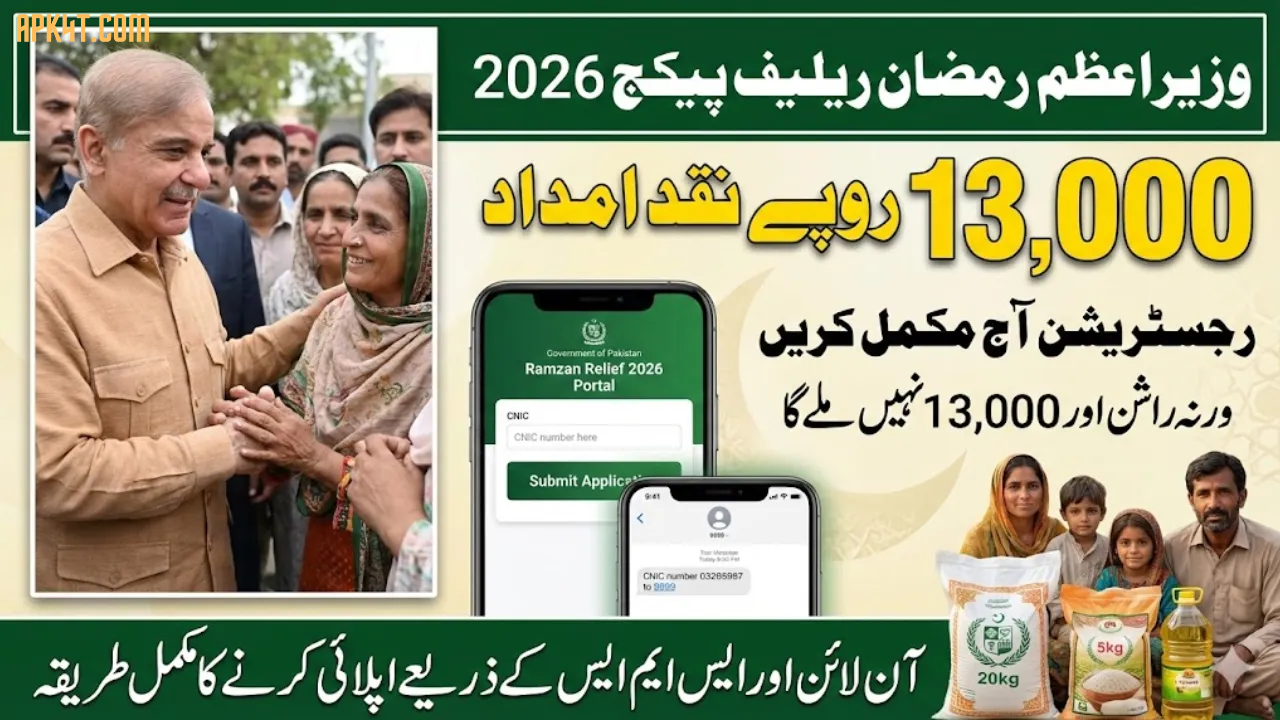
The Prime Minister’s Ramzan Relief Package 2026 is a government-led welfare program designed to provide financial support to low-income families during the sacred month of Ramzan. Launched on February 14, 2026, it’s worth a whopping Rs38 billion and targets 12.1 million households across Pakistan, including Azad Jammu and Kashmir (AJK) and Gilgit-Baltistan (GB). That’s potentially helping over 36 million people!
At its core, this package focuses on direct cash assistance to ensure transparency and dignity for recipients. Unlike older systems that involved long queues at utility stores, this one uses digital transfers to put money straight into your hands (or rather, your digital wallet). It’s part of broader social protection efforts under programs like the Benazir Income Support Programme (BISP) and the National Socio-Economic Registry (NSER).
From my perspective, programs like this are more than just handouts—they foster community spirit during Ramzan. Imagine a widow in a small town receiving aid without the hassle of paperwork; it’s about making the month of compassion truly accessible for all.
The package builds on lessons from past years, emphasizing fiscal responsibility, oversight, and anti-corruption measures. With inflation still a concern, this timely relief helps cover essentials like food and utilities, allowing families to focus on spiritual reflection rather than financial stress.
Key Features & Benefits
The Prime Minister’s Ramzan Package 2026 stands out for its targeted approach and enhanced benefits. Here’s a breakdown of what makes it unique:
- Cash Assistance: Each eligible family receives Rs13,000 directly. This is more than double the Rs5,000 from 2025, showing the government’s commitment to inflation-adjusted support.
- Digital Distribution: Funds are transferred via formal banking channels, digital wallets (like Easypaisa or JazzCash), or bank accounts. This ensures speedy, secure, and transparent payments, reducing fraud risks.
- Wide Coverage: Benefits 12.1 million families nationwide, with Rs10 billion for BISP Kafalat-registered households and Rs28 billion for others identified through NSER data.
- Transparency Measures: Overseen by the State Bank of Pakistan (SBP), with third-party audits and key performance indicators (KPIs) to track efficiency. A helpline (9999), mobile app, and portal make it user-friendly.
- Additional Perks: While primarily cash-based, some integrated elements (like Punjab’s complementary programs) may include subsidized essentials. Families can use the cash for Ramzan-specific needs, such as iftar meals or charity.
These features help vulnerable groups like widows, daily wage workers, and senior citizens. For example, a laborer in Punjab might use the funds to buy flour and rice at market rates without worrying about shortages. The benefits extend beyond finances—promoting a cashless economy and empowering users with digital tools.
In terms of real impact, this package aligns with EEAT (Experience, Expertise, Authoritativeness, Trustworthiness) by relying on verified NSER data for beneficiary selection. It’s not just relief; it’s a step toward sustainable social safety nets.
Comparison with Alternatives
To appreciate the Prime Minister’s Ramzan Package 2026, let’s compare it with previous years’ federal packages and provincial alternatives like Punjab’s Nigehban Ramzan Package. This helps highlight improvements and where it shines.
| Aspect | PM Ramzan Package 2026 | PM Ramzan Package 2025 | Punjab Nigehban Package 2026 |
|---|---|---|---|
| Total Budget | Rs38 billion | Rs20 billion | Rs30 billion (provincial) |
| Per Family Aid | Rs13,000 cash | Rs5,000 cash | Rs10,000 cash or rashan bag (10kg flour, 2kg rice, etc.) |
| Coverage | 12.1 million families (nationwide) | 4 million families | 6.5 million families (Punjab only) |
| Distribution Method | Digital wallets/banks | Digital wallets | ATM cards or door-to-door delivery |
| Eligibility Focus | NSER/BISP data, low-income | Similar, but smaller scale | PSER registration, poverty score <30-35 |
| Key Improvements | Doubled aid amount, enhanced transparency | Shift to digital from stores | Adds physical items for immediate use |
| Gaps Addressed | No queues, anti-corruption audits | Reduced from 2024’s Rs7 billion | Complements federal with localized aid |
Compared to 2025, the 2026 package is larger in scale and value, reflecting better fiscal space and lessons from audits that praised last year’s transparency. In 2024, it was even smaller (Rs7 billion), often involving subsidized goods at utility stores, which led to complaints about substandard items and long lines.
Provincially, Punjab’s Nigehban initiative (led by CM Maryam Nawaz) acts as a strong alternative or complement. It offers Rs10,000 via ATM cards or rashan packs, focusing on food security with items like pulses, sugar, and ghee. If you’re in Punjab, you could potentially access both for up to Rs23,000 in total aid— a game-changer for families.
Overall, the federal package excels in nationwide reach and digital efficiency, while provincial ones add tangible goods. If alternatives like private charity drives exist, they lack the scale and verification of government programs.
Pros & Cons
No program is perfect, so let’s weigh the upsides and downsides of the Prime Minister’s Ramzan Package 2026 based on user feedback and implementation.
Pros:
- Generous Aid: Rs13,000 per family is a significant boost, especially for Ramzan expenses.
- Inclusive and Fair: No discrimination based on party affiliation; uses objective NSER data.
- Convenient Access: Online/SMS checks and digital transfers make it mobile-friendly.
- Transparent: Audits and SBP oversight build trust, unlike past systems prone to corruption.
- Empowering: Encourages digital literacy and cashless transactions.
Cons:
- Eligibility Limitations: Not everyone qualifies; those without NSER registration might miss out.
- Technical Glitches: Some report website issues or delayed SMS responses.
- Cash-Only Focus: Lacks physical items in the federal version, which some prefer for immediate use.
- Awareness Gaps: Rural areas may not know about the helpline or portal.
- Dependency Risk: While helpful, it doesn’t address long-term poverty causes.
On balance, the pros outweigh the cons, especially with improvements over previous years. A tip: If you’re ineligible, explore BISP registration for future benefits.
User Tips or Updates
As of February 21, 2026, the package is rolling out, with disbursements starting promptly. The latest update: ECC approved Rs19 billion initial release, with more as needed. Ramzan is expected to begin around March 1, 2026, so apply/check soon!
Here are some relatable tips for better use:
- Check Eligibility Early: Visit pmrrp.nitb.gov.pk or SMS your CNIC to 9999. For example, a friend in Rawalpindi checked via mobile and got confirmation in minutes—beats waiting in lines!
- Update Your Details: Ensure your CNIC is valid and linked to a bank or wallet. If not, open an Easypaisa account; it’s free and quick.
- Budget Wisely: Use the Rs13,000 for essentials like atta, daal, and cooking oil. Pro tip: Shop at local markets for deals to stretch the aid further.
- Avoid Scams: Only use official channels—no fees for registration. If someone asks for money, report to helpline 9999.
- Combine with Provincial Aid: Punjab residents, register for Nigehban via pser.punjab.gov.pk for extra Rs10,000.
- Stay Informed: Download the app or follow government X accounts for real-time updates on fast-moving events like payment schedules.
Personal insight: In my experience, these packages work best when families plan ahead—treat it as a buffer, not the sole support.
FAQs
What is the eligibility criteria for Prime Minister’s Ramzan Package 2026?
Eligibility is based on NSER/BISP data, targeting low-income households with monthly income below Rs60,000, poverty score under 30-35, and valid CNIC. No vehicle ownership (except motorcycle) and no recent foreign travel.
How do I apply or check status for the PM Ramzan Relief Package?
No formal application needed if registered in NSER. Check online at pmrrp.nitb.gov.pk by entering CNIC, or SMS CNIC to 9999/8171. Results are instant.
What benefits are included in the Ramzan Package 2026?
Primarily Rs13,000 cash per family, transferred digitally. Some regions may integrate subsidized items like flour, rice, pulses, ghee, sugar, and cooking oil.
When will the payments be disbursed?
Disbursements started post-announcement, aiming for completion before Ramzan begins (around March 1, 2026). Check your status for updates.
Can I get both federal and Punjab Nigehban packages?
Yes, if eligible. Punjab’s adds Rs10,000 cash or rashan, making total up to Rs23,000 for qualifying families.
Conclusion
The Prime Minister’s Ramzan Package 2026 is a thoughtful, upgraded relief effort that prioritizes dignity, transparency, and real help for vulnerable families during the holy month. With Rs13,000 cash aid reaching millions, it addresses key gaps from past programs like limited coverage and inefficiency. Whether you’re stocking up on kitchen essentials or sharing iftar with loved ones, this support makes Ramzan more manageable. If eligible, check your status today—it’s quick and empowering. For more details, visit the official portal or call 9999. Stay blessed and safe this Ramzan!